
June 10, 2026 via Traders Magazine - In a story about the SEC considering revisions to the Order Protection rule at an SEC meeting on June 11th, Healthy Markets President & CEO Tyler Gellasch is quoted saying "Tyler Gellasch, President and Chief Executive Officer of Healthy Markets Association, said the rule has been central to linking fragmented trading venues and protecting investors.
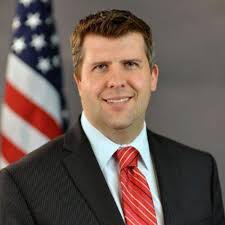
“For decades, the Order Protection Rule has stitched our many stock trading venues together, driving competition, efficiency, and investor protection,” Gellasch said.
“But rather than looking to build upon that success and improve the rule, the agency seems eager rebuke it, driving up costs and inefficiencies for investors,” he said.
He described the rule as “an imperfect backstop to best execution,” adding that it “should be improved, not demolished.”
Gellasch warned that removing or significantly weakening the rule would shift market dynamics in ways that could disadvantage retail and smaller institutional investors.
“The SEC is proposing to remove some of the most critical guardrails and investor protections that have made the U.S. stock market the most interconnected, efficient, robust, and resilient equity markets in the world,” he told Traders Magazine.
“The rule will expose all investors to much greater risks and higher costs,” he added.
“While some of the largest institutions may have the resources and market power to protect themselves, millions of retail investors, and thousands of RIAs and smaller institutional investors would be effectively compelled to suffer the higher costs arising from a new lack of enforceable standards.”
He also rejected the argument that repealing the rule would materially reduce the need for market data.
“If brokers want to fulfill their best execution obligations, they will still need the market data,” Gellasch said.
“Repealing the Order Protection Rule won’t relieve brokers or data providers of their needs for market data from exchanges, but it would allow brokers, market makers, and other intermediaries to rip off investors,” he said. (Full Story).